Seasons of my PCOS body
I was 16 years old when I first heard the acronym: PCOS. Polycystic Ovary Syndrome is a metabolic, hormonal, and reproductive condition with no known cause or cure.
Imagine the life of a teenager: raging hormones, a need for social validation, and a head full of questions. Now, add PCOS to the mix. The result? Confusion. Anxiety. A lost sense of confidence.
A list of unusual symptoms started to appear in my teens: excessive facial hair, unexplained weight gain (despite playing sports), heavy and painful periods, trouble focusing (which I would later learn was brain fog), and a strange kind of sadness that I poured into journal pages.
I remember being 17, sitting in a lab for bloodwork; seven timed needle draws at thirty-minute intervals, a hormone panel test, and the clinical reports that came back with just one recommendation: birth control pills. I wasn’t ready for that rollercoaster yet. Back then, PCOS wasn’t openly talked about. It's one of the leading causes of infertility, and living in a conservative South Asian society at the time, it brought whispered questions: “How will you get married? Have children?”
But I’m getting ahead of myself. All I wanted as a teenager were answers, a way to ‘fix’ myself. Being told something was ‘wrong’ with my body led to a difficult relationship with food, and an even harder one with self-image. I’ll never forget the male doctor who looked me in the eye and said, “Lose the weight.” That was my first encounter with shame.
There were no answers, only more questions.
I just wanted to be a normal teenager and have fun. Instead, I was sitting in doctors’ clinics, being gaslit about symptoms I could feel. My parents, handling their first teenage child, were just as lost. Information was scarce. My friends didn’t know how to support me. There was no language to talk about PCOS.
I learned then: we don’t know what we don’t know.
In my early twenties, I moved across the world for university. Another season of transition began. Between classes, ambition, and late-night pizza runs, my health suffered. My PCOS body wasn’t thrilled about bagels and two coffees for lunch.
I finally went on birth control. But the two years I was on it were some of the most emotionally challenging years of my life.
My symptoms had evolved. While my teens were marked by physical changes, my twenties brought anxiety and sleep disorders. I didn’t know this then, but these too were symptoms of my condition. I started therapy during that time, something I’m incredibly grateful for. I also moved countries twice, which meant new food, water, air, and stress. PCOS made sure I felt it all. 8 years later, I would learn that environmental factors can negatively impact PCOS bodies.
The symptom that affected me most was excessive facial hair. I avoided tying my hair up in public and felt deeply self-conscious. I eventually got laser therapy. Five years later, the facial hair returned.
After graduation, I decided to change things. I committed to eating better, moving more, and staying active. I took charge of my health journey and sought out more information. Despite these changes, my sleep still suffered. I would wake up feeling tired and lacking energy to do the simplest of tasks.
Fatigue, I later learned, is a common PCOS symptom. That’s when another lesson revealed itself: listen to your body, and honor its needs.
PCOS is a complex condition. I didn’t know that the anxiety, fatigue, and brain fog I was experiencing were connected to it, and that was frustrating. There is no single medication that cures PCOS. Some drugs help manage certain symptoms, but much of the healing process has been through trial and error.
I wish healthcare providers were better equipped with research and treatment options. I wish they had language that wasn’t laced with shame.
Around this time, I started talking more openly about PCOS with friends. To my surprise, some of my closest friends had it too. We just never spoke about it.
A friend recommended a nutritionist who helped me change my relationship with food. I developed new rituals and practices that slowly rebuilt trust with my body. I started to feel more energized, more able, more grounded. I felt like I had agency over my health again, and that was a turning point.
I realized that a key ingredient to managing PCOS was consistency and discipline.
But there was another magical ingredient that would take longer to find.
A Season of Transformation ✨
In 2021, I moved to New York City for graduate school. It was a season of transformation; painful, rewarding, revelatory. My thesis became a portal. I explored the role of relationships in the lives of PCOS patients.
That’s when I discovered PCOS Challenge: The National Polycystic Ovary Syndrome Association. And gently, another lesson arrived.
I met people who had been living—and thriving—with PCOS for many years. I learned from their stories and advocacy efforts. I was in awe of these incredible women. For the first time, I felt like I belonged. I began working with the community.
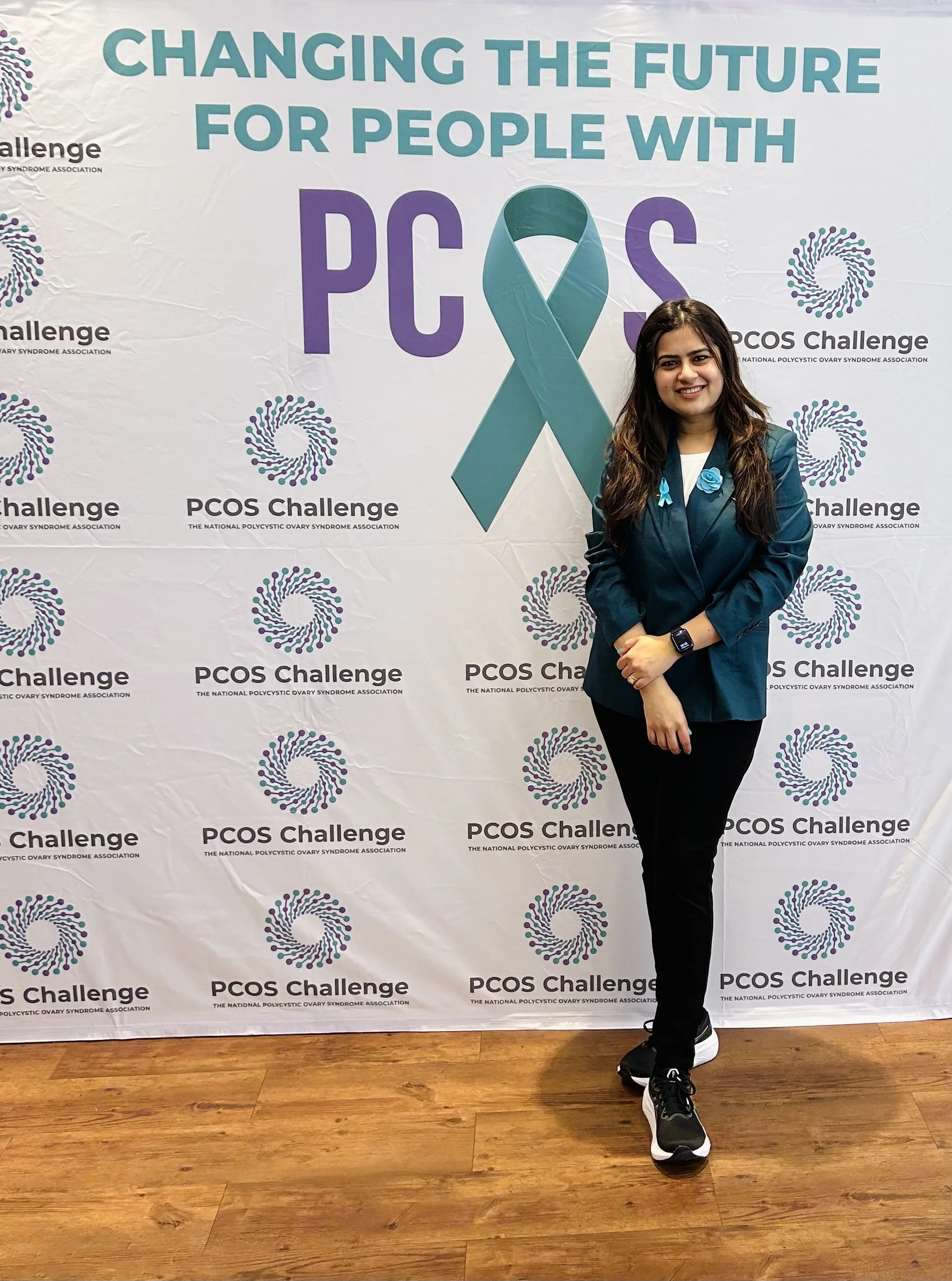
Together, we launched the Patient Experience Initiative (2022), co-created the Patient-Focused Drug Development Meeting with the FDA (2023), led PCOS Advocacy Day on Capitol Hill (2023–25), designed the first-ever PCOS Tour (2024), and rang the closing bell at the New York Stock Exchange on Wall Street in New York City (2025).
These initiatives raised awareness and education about PCOS, and also brought together hundreds of women living with PCOS.
The community I found here, built by Sasha Ottey, William Patterson, and many inspiring patient advocates, has become a core part of my healing. In this collective, I’ve learned that sharing stories reduces the social isolation that comes with this condition. That vulnerability is a strength. That social connection is a gift. And that real change begins when we change the conditions around healing. Community support can be a magical ingredient in living and thriving with PCOS.
These days, I manage my PCOS with lifestyle changes, a supportive close circle, and the practice of self-compassion.
I live with fatigue and chronic pain, and some days are really challenging. But they’re fewer now. The tough days are softened by laughter with friends, caring parents, and a loving partner. I’m grateful for these relationships that have been a huge part of my PCOS journey.
PCOS touches every stage of womanhood. I don’t know what the next season will bring.
But for now, I practice patience.
I practice pruning.
And I practice love.